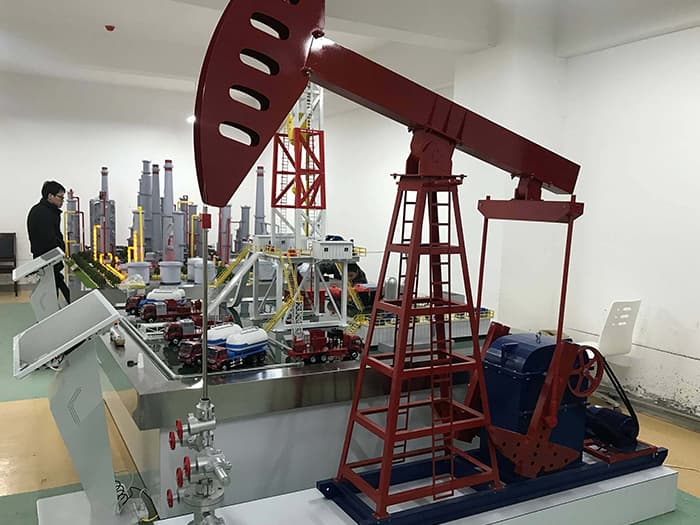
Movement with a purpose
Moving parts can draw attention to the relationship between components.
 Start a project ↗
Working & Demonstration Models
Plan a physical model around the function you need to explain. Discuss movement, lighting and demonstration requirements in your brief.
Discuss your model ↗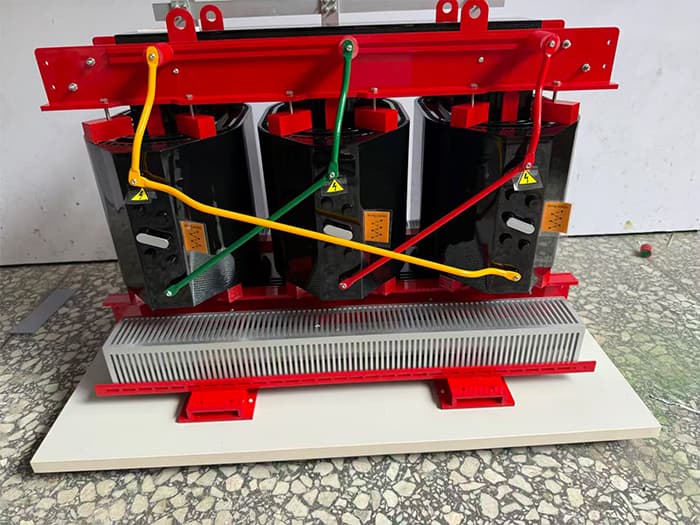
A working scale model is planned around an explanation: what changes, what moves and what the audience should understand as a result. It need not reproduce every full-size function to make the principle clear.
Moving parts can draw attention to the relationship between components.
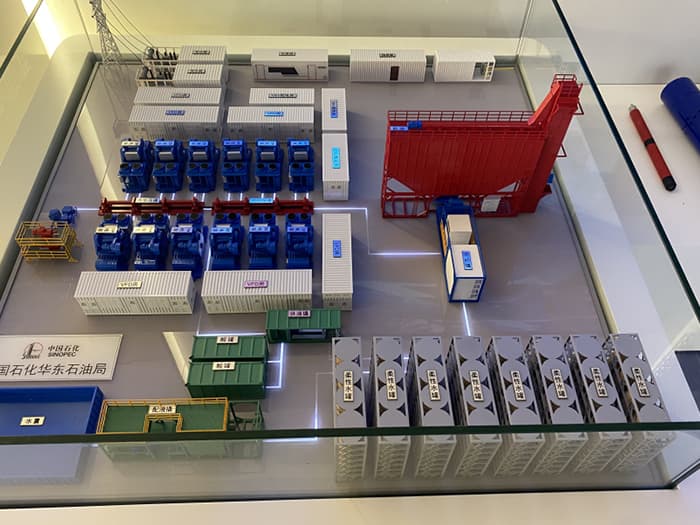
A process demonstration model can combine physical layout and lighting to guide the viewer through connected equipment.
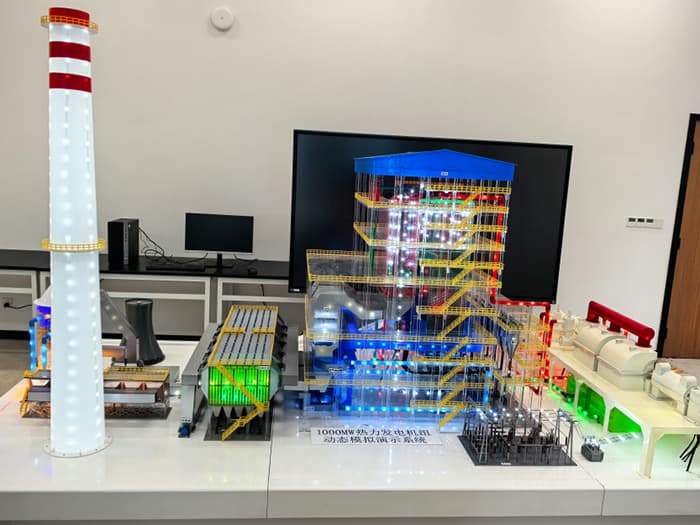
Describe the order in which the presenter should explain the model.
The control approach should follow the demonstration, the operator and the setting. A presenter-led explanation has different requirements from a model used by visitors throughout the day.
Explain who starts the demonstration, which functions need separate control and how the presentation ends.
Specify which moving parts or lighting features support each point in the presentation.
Share available power, access for the presenter and expected operating frequency.
Use a mechanical demonstration model to give a physical reference to an explanation that would otherwise depend on drawings or animation.
Plan the model around the questions a trainer or sales presenter needs to answer.
Discuss audience access and the length of each presentation.
Begin with what the model needs to explain, then define the operation. Reference drawings alone may show the shape without explaining the desired demonstration, so include a short written description of the function.
Identify essential moving parts, controls and lighting, together with the features that are only visual.
Tell us how often the model will run, who will handle it and whether it will travel.
Include power and control needs where relevant.
RELATED PROJECTS / MODEL PHOTOGRAPHY
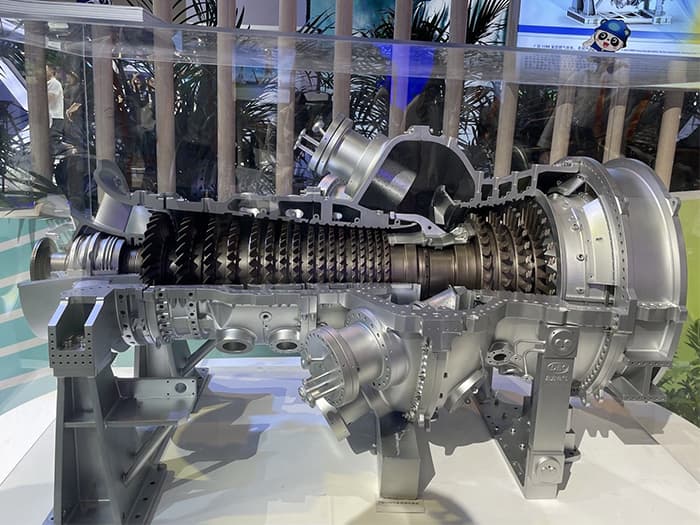
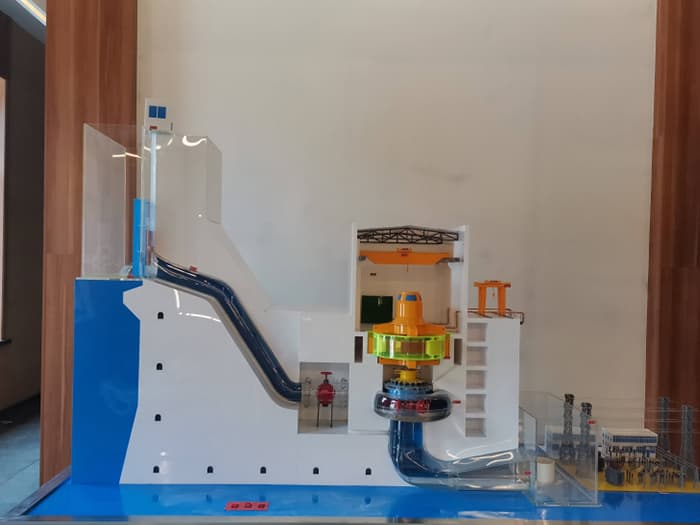
The agreed brief defines the function. A demonstration may focus on one movement or process relationship rather than reproducing the operation or performance of the full-size equipment.
Both can be discussed as part of the brief. Specify what each feature should demonstrate; the combination and operating sequence need technical review.
Send CAD or engineering drawings, reference images and a written explanation of the intended movement or process. Include the desired controls, size and use setting.
State operating frequency, presentation duration, handling, transport and available power. These details help define practical requirements before the build is agreed.
If the main challenge is seeing inside, consider a cutaway or transparent model.
For booth footprint, audience viewing distance and event setup, explore exhibition models.
For machinery, plant layouts and system scope, explore industrial and equipment scale models.
FROM YOUR BRIEF TO A PHYSICAL MODEL
Share your idea, drawings, scale and target date.