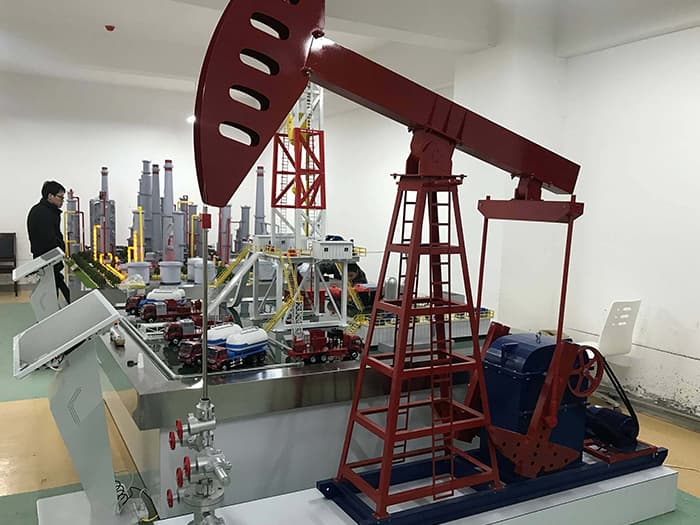
Machinery and process equipment
Equipment scale models represent the form, arrangement and key engineering features of an object.
 Start a project ↗
Industrial & Equipment Scale Models
Represent equipment, machinery or a complete industrial system in a format suited to technical presentations and business conversations.
Discuss your model ↗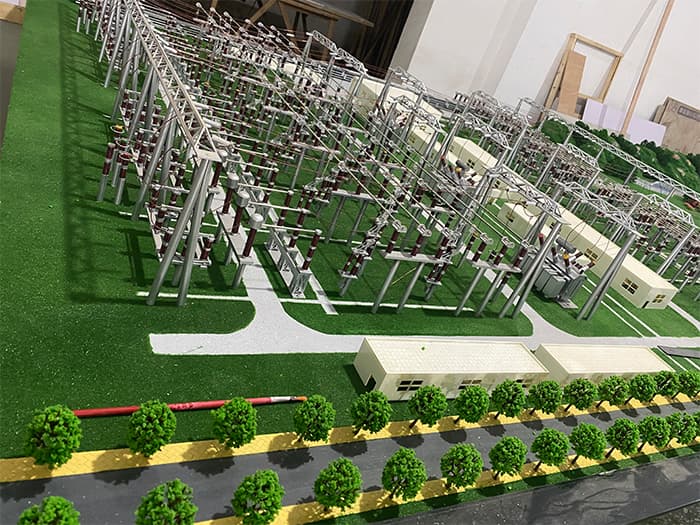
DCD designs and manufactures custom industrial models that bring machinery, equipment and larger systems into a physical format people can examine together. The scope can focus on one component or show how equipment relates within a facility.
Equipment scale models represent the form, arrangement and key engineering features of an object.
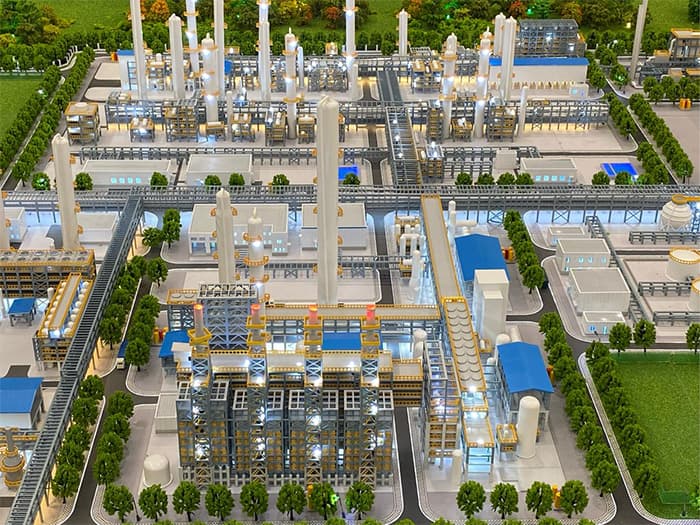
A factory or plant model helps viewers understand the relationship between buildings, equipment and process areas.
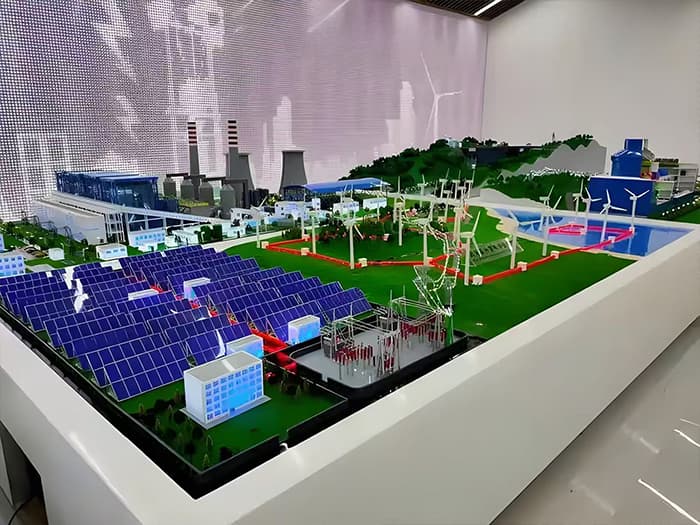
Energy and infrastructure models place utilities and equipment within a wider technical context.
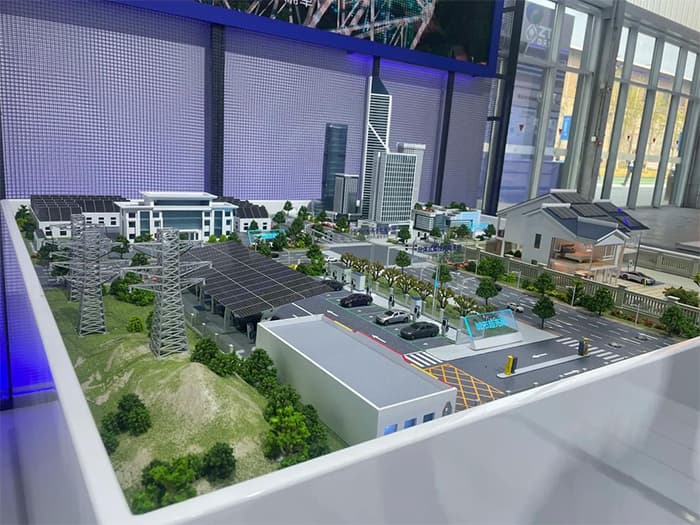
A physical engineering model gives a group a shared view of an object or system.
Represent machinery that is too large or impractical to bring to a meeting or display.
Plan the industrial model around the audience's familiarity with the subject.
Choose features for what they clarify. A static machinery model may explain the overall form; lighting, a cutaway or a moving element may be useful when the explanation needs another layer.
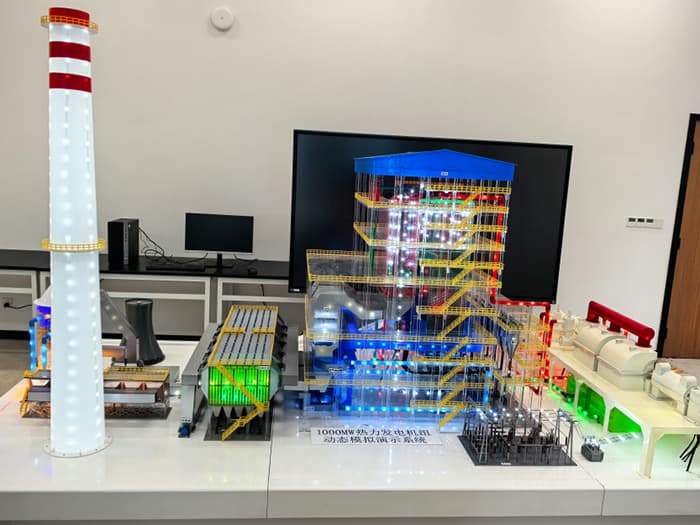
Discuss illumination to distinguish areas or highlight selected equipment.
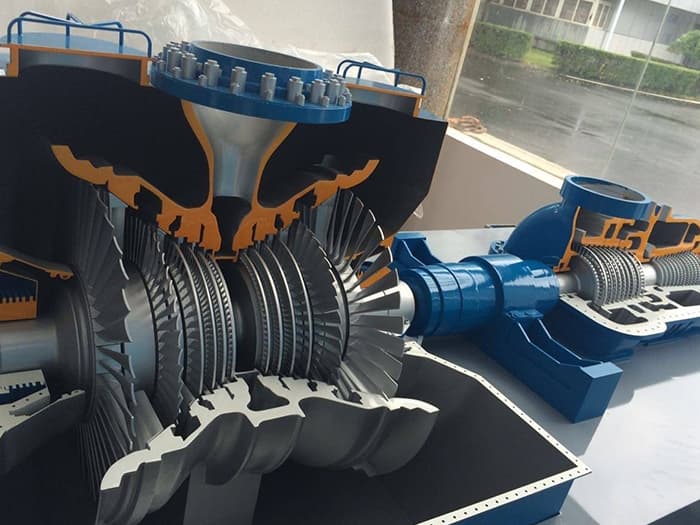
Reveal internal assemblies where the exterior would otherwise hide the important detail.
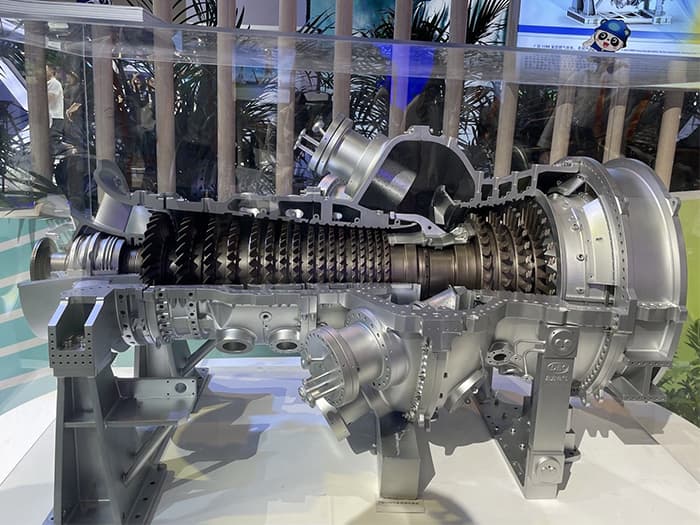
Where function matters, include the desired movement and interaction requirements.
Scale is a communication decision as well as a dimensional one. Reducing an entire plant to fit a table can make small equipment unreadable; concentrating on one assembly may explain the engineering more clearly.
Start with the real object's dimensions and the available model footprint.
A technical audience inspecting the model closely may need different detail from visitors viewing it across a display.
Include display access, handling and packing constraints.
Send CAD files, engineering drawings, PDFs, reference photos or technical documentation, together with the target size and intended use. An early concept can start the conversation; we can identify the references still needed before defining the model.
Provide the overall arrangement and references for the equipment or assemblies that need emphasis.
Tell us who will view the model, what it needs to explain and whether lighting, cutaways or movement are required.
Industrial models can range from a single machine to a complete factory, energy installation or infrastructure system.
Represent a factory, industrial facility or connected process areas. A power plant model makes equipment relationships clear.
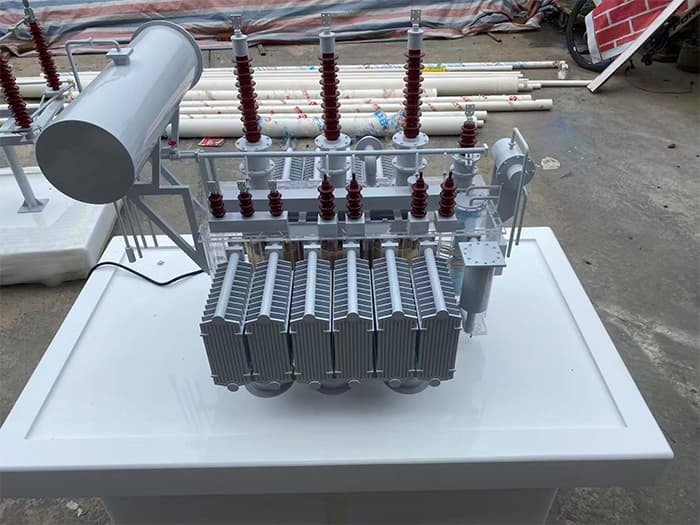
Focus on individual machines, process equipment or linked systems.
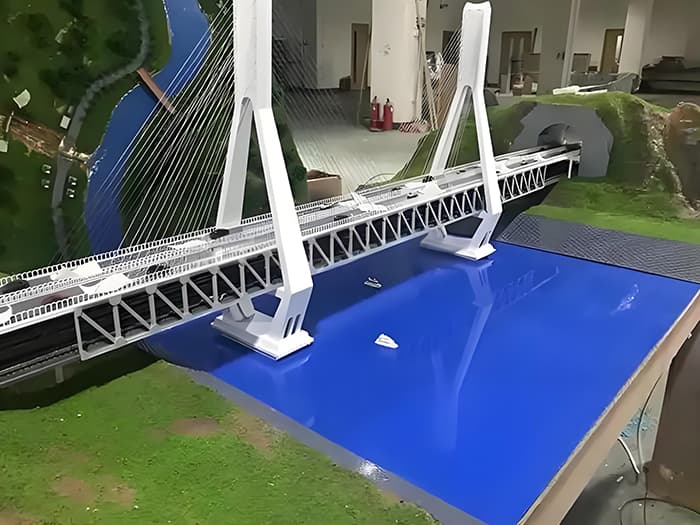
Show energy installations or infrastructure components in their physical context.
RELATED PROJECTS / MODEL PHOTOGRAPHY
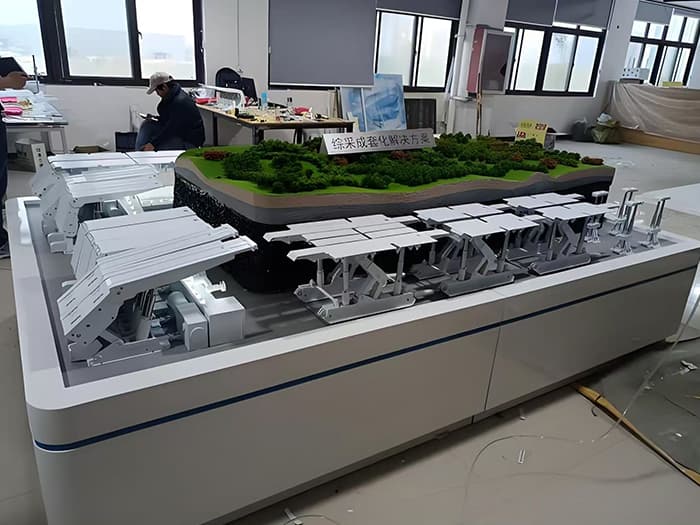
The scope can focus on equipment or represent a wider industrial system. Share the overall dimensions and presentation objective so the appropriate size and level of detail can be discussed.
Yes. Send available CAD files, drawings, PDFs and supporting references. The technical review identifies the information needed to define the physical model.
Scale depends on the available footprint, complexity, viewing distance and technical message. Transport and display constraints also influence the final size.
Cutaway sections, transparent areas, lighting, moving parts and controls can be discussed where they support the brief. The combination and technical scope need review.
Discuss NDA and confidentiality requirements before sending sensitive files. Agree the information needed for quotation and the permitted use of project material.
FROM YOUR BRIEF TO A PHYSICAL MODEL
Share your idea, drawings, scale and target date.